I’ve worked in the food industry for most of my life, and maybe because of that, people have always assumed I eat healthily. I mean, how could I not, right? But the truth is, my journey towards healthier eating didn’t really start until much later.
Of course, there was a shift when I became pregnant. I had just done some research on how what you eat during pregnancy can shape your child’s future food preferences. That definitely made me more mindful about my own diet during pregnancy and of course the diet of my children. But the real change; the deep, curious, motivated interest in health, food and ageing came later.
It really started after moving to Spain. The Mediterranean diet was suddenly all around me: fresh fruits & vegetables, extra virgin olive oil, sunshine… And around the same time, something else happened; my mum was diagnosed with Alzheimer’s.
That changed everything.
The way I looked at food, health, ageing… it all started to feel more urgent. More personal. I began reading more, digging into the science, trying to understand what was happening, not just to my mum, but also to me, my family members and just what happens in general as we age. And just as if it had to be that way, then I met Hanneke, and she gave me her book.
That was the spark. A light-bulb moment. I realised there was this huge chapter in women’s lives – the chapter of midlife – that we don’t talk about enough. As women we change differently as we age. Midlife for us is a time where our bodies, hormones, energy, even our minds, start shifting.
So I began learning. Listening. Asking questions.
And what I found is that there’s a lot of confusion about menopause. So today, I want to share what I’ve learned, starting with the basics.
What Is Menopause, Really?
Menopause is actually just one single day: the day you’ve gone 12 full months without a period. That’s it. A moment in time. Everything before that? That’s called perimenopause. Everything after? That’s postmenopause.
So… What’s Perimenopause Then?
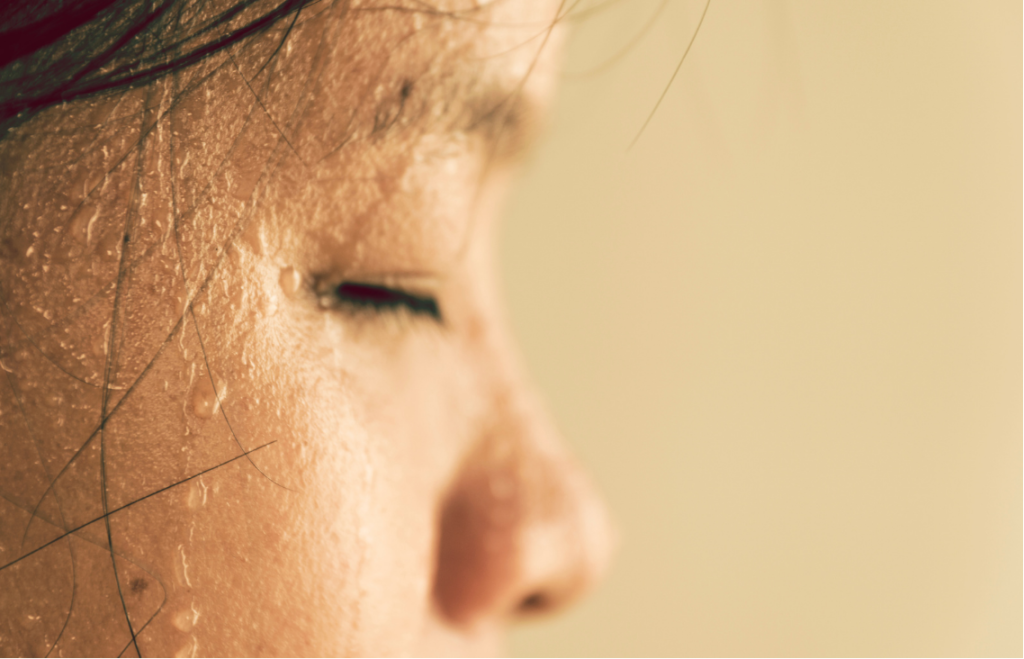
Perimenopause can start years before that final period. For some women, as early as their late 30s or early 40s. It’s the time when hormone levels, especially oestrogen and progesterone, start fluctuating wildly. And with that come symptoms: hot flushes, irregular cycles, brain fog, night sweats, mood swings etc.
And here’s the thing: it can sneak up on you. Just one day out of nowhere you’ve got to strip off at dinner just because you went up a flight of stairs. The next, you’re lying awake at 3 AM wondering why you’re suddenly anxious. It doesn’t announce itself. It’s just there…
Why its there? It’s a natural part of ageing. As we get older, our ovaries slow down, and the hormones they produce begin to decline. That affects everything: from your sleep to your skin to your memory. It’s like your body is reading from a new manual you’ve never seen before.
And what about Postmenopause?
In essence, perimenopause is the rollercoaster of hormonal shifts and symptoms, while postmenopause marks a new phase of hormonal stability. It’s also a good moment to tune into your long-term health, as lower estrogen levels can affect things like bone strength, heart health and mood, but with the right care and awareness, this phase can be full of energy and vitality.
How Do We Navigate It?
This is the part that’s become so important to me and all part of how we age healthily: how can we make midlife this transition as smooth, healthy and even empowering as possible?
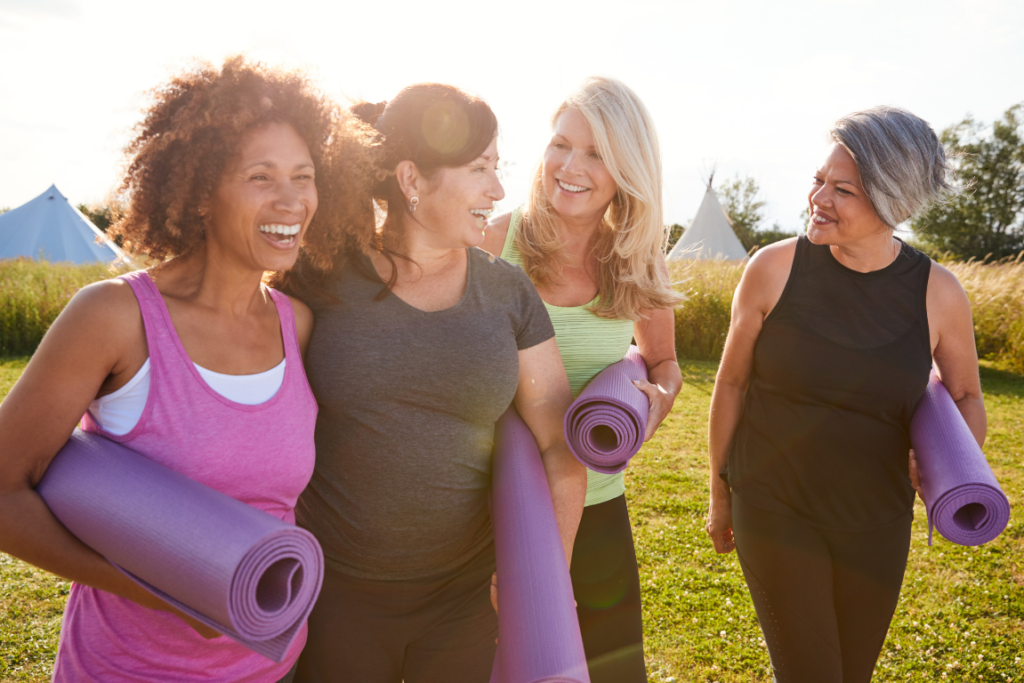
Through food, yes, but also through movement and through understanding. The Mediterranean diet, for example, is rich in healthy fats and anti-inflammatory foods that can support hormone health and also proven to reduce hot flushes and improve weight management. Regular exercise, especially a mix of strength, cardio and flexibility & balance exercises can help to maintain weight, sleep better and help with mood swings. And even just talking about it can help! Sharing experiences with friends, family or support groups, can normalise the experience, reduce any feelings of isolation and provide a senses that you are not alone in this journey. Alongside that your loved ones will also understand and support you better, which will in turn reduce stress.
This blog is where I’ll keep sharing what I learn: the science, the stories, the strategies. I’m not an expert. I’m a curious woman, with a mind full of questions, looking for answers and solutions. And if you’re here, I’m guessing you might be too.
Let’s figure it out together.
Hasta pronto, x
x

So What Is Menopause, Really?
What is Perimenopause
How to reduce menopause and perimenopause symptoms