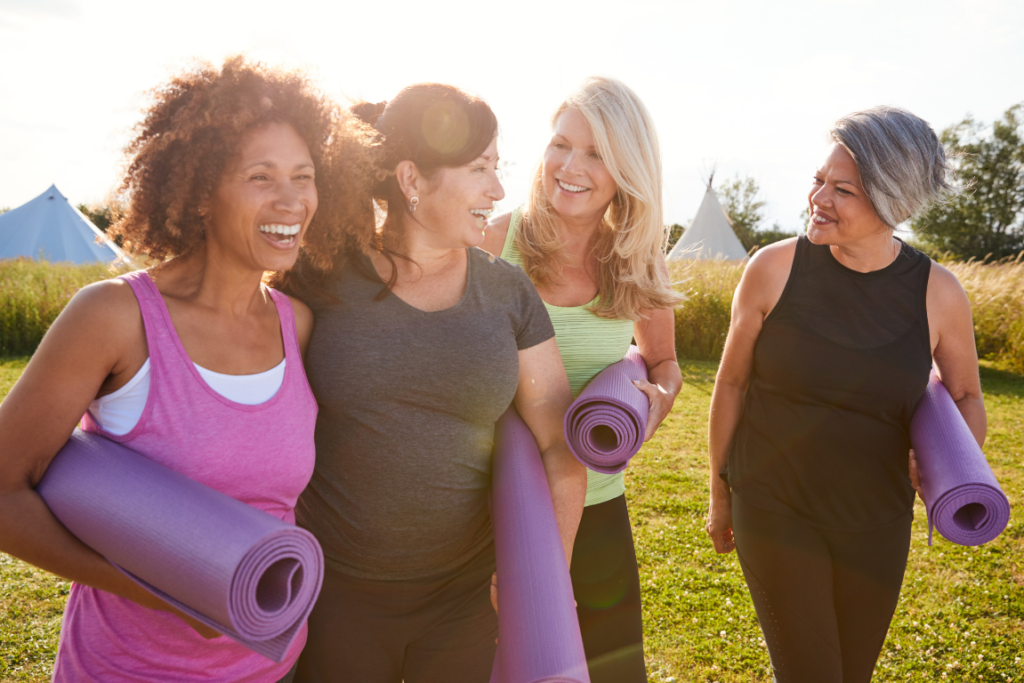
I used to think protein was something for weight lifters. My husband (who loves going to the gym) makes several protein smoothies a day. But the only time I every really thought about protein in my pre-40’s life was when I was pregnant (and vegetarian).
But once I got into my 40s and started learning more about healthy ageing, and both my body and my mind were telling me a different story.
My legs felt a bit less… reliable. I noticed it in during my twice weekly runs, it was’t quite the same.
Stairs suddenly seemed to demand a negotiation, something I’d never really noticed before.
And somewhere between my mid-morning tea and the school run, I realised I wasn’t bouncing back the way I used to.
Add to that the food science podcasts I listen to, the papers I read and the conversations I had with friends and I knew I had to look a little more closely into this one nutrient.
Protein.
I started thinking about protein in a way I never had before. Breakfast wasn’t toast and coffee anymore. These days I make Greek yogurt with berries, seeds & nuts. At the weekend, I might even treat myself to eggs with spinach and seeds for breakfast. Starting my day like this just feels good – for my body & my soul.
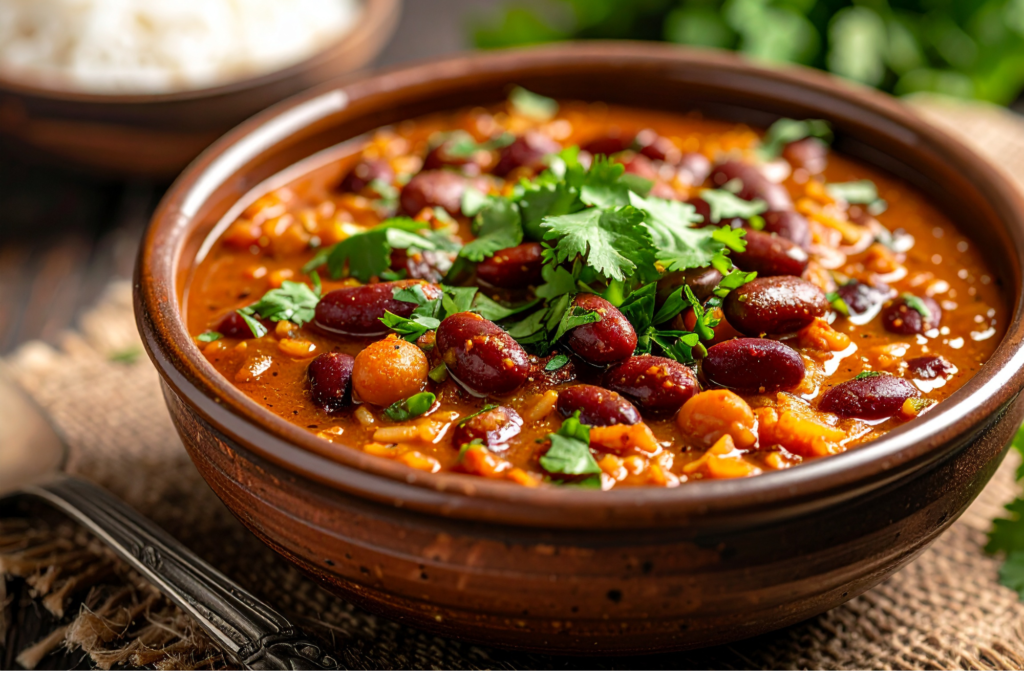
Lunch and dinner changed too. I now eat much more mindfully, trying to include a source of protein at every meal. At dinner time, the focus is often on beans and lentils, whith fewer carbs. At least once a week there’s pasta with a nutrient-packed sauce and only a little bit of actual pasta. Most week’s also a lazy mixed-bean slow-cooked chilli sin carne. (If you want any recipes, just ask!)
And for snacks, I try to reach for a small bowl of nuts before heading to the chocolate!
Now, if you’re thinking I’ve become a bit obsessed? Well maybe I am a little bit obsessed with healthy living. What works well for me might not work well for you. Do what feels right for your body, armed with the right knowledge – something I hope to contribute to through my blogs. Occasional cheating is absolutely allowed. It’s all about finding balance.
Some days I nail it.
Some days I barely hit 50 grams.
That’s okay with me, progress over perfection.
————————
Why protein is more important during perimenopause
Here’s the science in plain English: as oestrogen levels dips during perimenopause and menopause, our bodies become less efficient at building and maintaining muscle and more prone to losing it. This process is called sarcopenia.
A higher protein intake helps counteract this by signalling the body to preserve lean mass and support strength; not just for muscles, but also bones, metabolism and everyday energy levels.
Protein isn’t just about looking fit.
It’s about feeling right in our changing bodies.
We need protein to
❤️ keep our muscles strong
❤️ keep energy steadier
❤️ support bones and everyday resilience
❤️ prepare for things like thinning hair or slower recovery (we’ll get more into that next time…)
How much protein do women really need?
You might be familiar with the old general guideline: about 0.8 grams of protein per kilogram of body weight per day for adults. But that’s really just the minimum to prevent deficiency, not necessarily the amount that helps midlife bodies thrive.
Many experts now suggest:
-
1.0–1.2 g/kg/day for most women in perimenopause or menopause
-
1.2–1.6 g/kg/day for women over ~50 or those who are physically active
-
More again if strength training or working towards specific goals
How does this translate in real numbers?
For a woman weighing about 70 kg (11 stone), that’s roughly 70–105 grams of protein per day, ideally spread across meals to support absorption.
If you’d like a more personalised number, a quick google search for ‘Protein Calculator’ will give you several reputable options to explore.
How can you reach your ideal amount of protein? Below are some example foods, with the approximate protein content they provide.
| Food (typical portion) | Approx. protein |
|---|---|
| Bowl of Greek yoghurt (200 g) | ~20 g |
| 1 medium egg | ~6 g |
| 100 g chicken breast (cooked) | ~30 g |
| 2 slices of cheese (40 g total) | ~10–12 g |
| 100 g cooked lentils | ~9 g |
| 100 g baked beans | ~5 g |
| Handful of walnuts (30 g) | ~4–5 g |
| Handful of peanuts (30 g) | ~7 g |
| Glass of milk (250 ml) | ~8 g |
| 100 g tofu | ~12 g |
| 1 slice wholegrain bread | ~4 |
Protein, Perimenopause & Perspective
You don’t have to lift heavy weights (though it is brilliant during menopause, more about this later).
You don’t have to drink protein shakes.
You just have to rethink protein in a way that suits you: with curiosity, patience and maybe a few more eggs in the morning.
💛
Hasta pronto,
 x
x
For further reading & investigating, click on the following links:
- British Menopause Society. Menopause Wellness Hub. [online] Women’s Health Concern. Available at: https://www.womens-health-concern.org/help-and-advice/menopause-wellness-hub/. [Accessed 02 Feb 2026].
- British Nutrition Foundation (2023). Protein. [online] British Nutrition Foundation. Available at: https://www.nutrition.org.uk/nutritional-information/protein/. [Accessed 02 Feb 2026].
- Dietary Guidelines for Americans (2020). Dietary Guidelines for Americans. [online] Dietaryguidelines.gov. Available at: https://www.dietaryguidelines.gov/. [Accessed 02 Feb 2026].
- Wempen, K. (2022). Are You Getting Too Much Protein? [online] www.mayoclinichealthsystem.org. Available at: https://www.mayoclinichealthsystem.org/hometown-health/speaking-of-health/are-you-getting-too-much-protein. [Accessed 02 Feb 2026].